Introduction
In 2026, music continues to be a powerful medium through which individuals connect, express themselves, and foster relationships. As we delve into the harmonious relationship between music and social connectivity, we will explore how various demographics use music to bridge gaps, create communities, and embrace diversity.
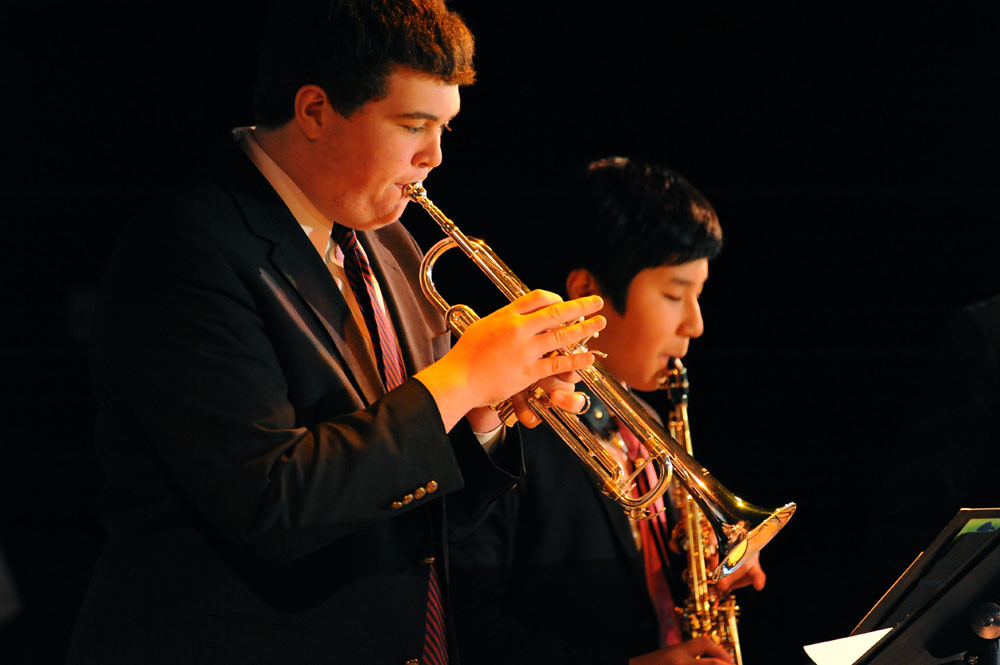
Music as a Social Connector
Music has always been a unifying force in society. It transcends language barriers and cultural differences, making it an ideal medium for fostering social connections. Here are some ways music serves as a social connector in 2026:
- Shared Experiences: Concerts, festivals, and community events bring people together, encouraging them to share in the emotions and experiences that music evokes.
- Online Communities: Social media platforms and streaming services have created spaces where individuals can connect over shared musical tastes, discuss their favorite artists, and discover new genres.
- Collaborative Playlists: Users can create and share playlists that reflect their social circles, enhancing feelings of connection and belonging.
The Role of Music in Different Generations
Different generations experience and utilize music in varied ways, leading to unique social dynamics:
Gen Z: Innovators of Digital Connection
Born into a digital world, Gen Z utilizes music for social interaction through platforms like TikTok and Spotify. They play a significant role in the viral nature of songs and trends:
- Short-Form Content: Music snippets used in short videos create a shared culture, allowing users to express themselves creatively.
- Peer Influence: Recommendations and trends among friends significantly impact their music preferences.
Millennials: Nostalgic and Connected
For Millennials, music often serves as a nostalgic tool that connects them to their past:
- Rediscovering Classics: Streaming services allow them to revisit the music of their youth, fostering connections with others who share similar experiences.
- Community Engagement: Music-related events often include charitable aspects, encouraging Millennials to connect through a shared purpose.
Baby Boomers: Bridging Generational Gaps
For Baby Boomers, music can be a bridge to connect with younger generations:
- Inter-Generational Learning: Platforms like YouTube enable Boomers to discover modern genres, while younger generations learn about classic artists.
- Family Bonding: Sharing playlists and attending concerts together allows for meaningful family interactions.
Exploring Music Genres and Social Identity
As music evolves, so do the genres that represent various social identities. Understanding these genres is crucial in the context of social connectivity:
The Impact of Hybrid Genres
In 2026, hybrid genres are flourishing, reflecting diverse cultural influences and making music more accessible:
- Fusion of Styles: Genres like reggaeton-pop and trap-jazz attract listeners from varied backgrounds, encouraging social interactions and discussions.
- Cultural Representations: Artists representing specific cultures bring awareness and appreciation for diversity in communities.
The Rise of Local Music Scenes
Small, local music scenes are revitalizing neighborhoods and creating inclusive spaces:
- Community Engagement: Local events promote local talent and foster community spirit.
- Safe Spaces: These events provide safe environments for individuals to explore their identities and express themselves.
Technology’s Role in Music and Social Connectivity
Technology has played a significant role in shaping how we connect through music. In 2026, we see an enhanced focus on:
Augmented and Virtual Reality Experiences
AR and VR are transforming how audiences experience live music:
- Immersive Concerts: Virtual concerts allow fans to connect with artists and each other in real-time, regardless of geographical barriers.
- Enhanced Interaction: Attendees can engage with other fans and share experiences in a virtual setting, making the experience more communal.
Streaming Services and Social Features
Streaming platforms are continuously evolving to enhance social interaction:
- Live Listening Parties: Features that allow friends to listen to music together in real-time strengthen social bonds.
- Music Discovery Algorithms: Personalized recommendations help users discover music that resonates with their social circles.
Conclusion
In 2026, music remains an integral part of our social fabric, intertwining generations and fostering connections across diverse communities. By embracing music’s power to unite and inspire, we can continue to build a more inclusive and harmonious society. As the landscape evolves, so too does our opportunity to celebrate music as a universal language that connects us all.