Introduction
As we navigate through 2026, one cannot overlook the immense impact that music festivals have on community building and cultural expression. Music festivals are not just entertainment hubs; they are vibrant ecosystems that bring together diverse groups of people, fostering unity and love for music.
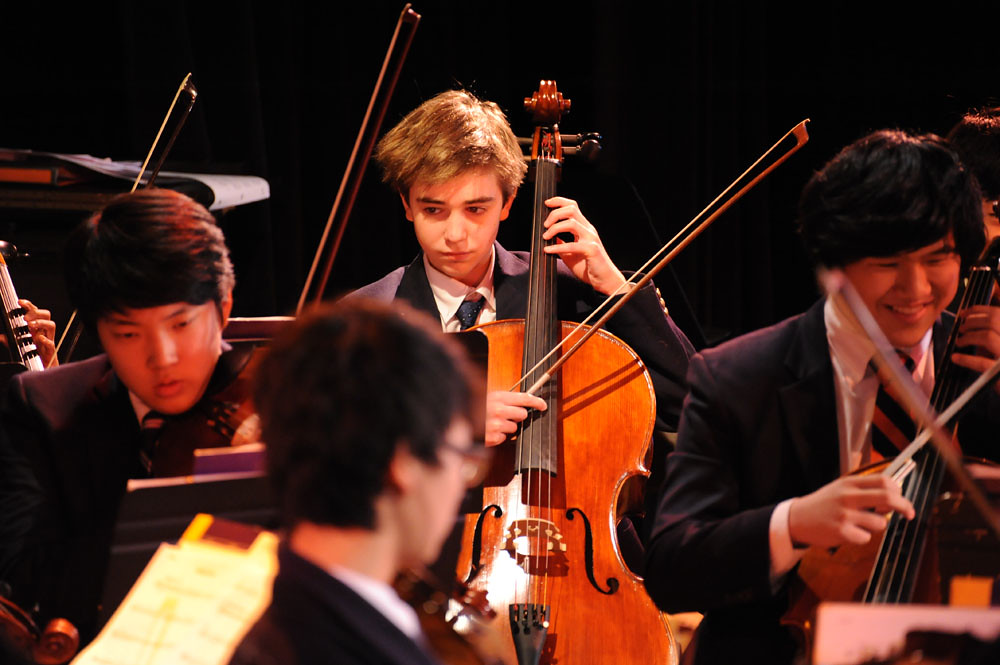
The Revival of Live Musical Experiences
In the post-pandemic world, music festivals have seen a remarkable resurgence. Attendees are eager to reconnect with their favorite artists and experience live performances once again. This revival is not just about music but is also an opportunity for sharing cultural nuances, ideas, and social values.
Key Factors Behind the Festival Boom
- Enhanced Safety Measures: Festivals are adopting rigorous health protocols, ensuring a safe environment for all.
- Expanded Digital Integration: Many festivals now offer virtual options, allowing fans to participate from anywhere in the world.
- Diverse Lineups: Organizers are curating varied lineups that include local talent and international stars alike, attracting a wider audience.
Community Engagement Beyond Music
Festivals serve as a platform for various community initiatives and local businesses, enhancing their significance beyond the musical realm. They often become a catalyst for local economic growth by:
- Supporting Local Vendors: Many festivals prioritize local food and craft vendors, ensuring that a portion of the revenue benefits the community directly.
- Promoting Regional Culture: Festivals often highlight local artists and musicians, helping preserve and promote regional musical traditions.
- Creating Volunteer Opportunities: Many festivals rely on volunteers, allowing community members to actively participate in the event’s success.
Social Causes and Music Festivals
In 2026, more festivals are incorporating social causes into their missions. This trend not only amplifies the festival experience but also helps raise awareness and funds for critical issues. For example:
- Environmental Sustainability: Many festivals are implementing green practices, from recycling to reducing single-use plastics, to champion environmental causes.
- Mental Health Awareness: Festivals are increasingly featuring wellness areas that offer resources and support for mental health, recognizing the vital role music plays in emotional wellness.
- Diversity and Inclusion Efforts: Festivals are making strides to ensure their lineups are diverse and that marginalized voices are represented on stage.
The Future of Music Festivals
Looking ahead, music festivals are poised to evolve even further. As technology advances, festival experiences will likely become more immersive and personalized. Augmented reality (AR) and virtual reality (VR) are set to enhance how fans engage with performances, adding layers to the festival experience.
Potential Trends to Watch
- Hybrid Experiences: The blend of physical and virtual attendance will grow, catering to all preferences.
- Interactive Installations: Expect more interactive art installations that encourage attendee participation and engagement.
- Sustainable Innovations: As sustainability becomes a priority, look for innovative practices that reduce the overall environmental footprint of festivals.
Conclusion
As we continue to celebrate music in 2026, music festivals remain a powerful force in shaping community ties and cultural expression. These gatherings not only entertain but also inspire change, promote local economies, and advocate for social causes. The ongoing evolution of music festivals promises a future where community and culture will thrive in harmony.