The Soundtrack of Generational Bonds
In 2026, music continues to be a timeless thread weaving through the tapestry of human experience. As we navigate a world increasingly shaped by technology and rapid change, the nostalgic power of music has emerged as a vital connector across generations. This article delves into how music serves as a bridge linking the past with the present, fostering intergenerational relationships and shared experiences.
The Power of Nostalgia in Music
Nostalgia is a powerful emotion that can evoke memories and feelings tied to specific times and places. For many, songs from their youth become markers of significant life events, from first loves to unforgettable road trips. As new generations discover these tracks, they often find solace and connection in the melodies that shaped their parents’ or grandparents’ lives.
Shared Playlists and Family Listening
With the rise of streaming services like Spotify and Apple Music, curating shared playlists has become a popular way for families to bond over music.
- Discovery: Younger generations often discover classic hits through curated playlists, allowing them to appreciate music they may not have encountered otherwise.
- Connection: Family members can create collaborative playlists that reflect their diverse tastes, facilitating discussions about music history and personal anecdotes associated with each track.
- Memory Lane: Listening to music together can evoke shared memories, leading to heartfelt conversations that strengthen familial bonds.
The Role of Music in Cultural Heritage
Music is intricately linked to cultural identity, and preserving historical musical traditions is crucial in our rapidly evolving society. In 2026, many communities are actively working to keep their musical heritage alive through various initiatives.
Reviving Traditional Music
In a world overtaken by modernity, there is a growing appreciation for traditional music forms.
- Community Festivals: Local festivals celebrating traditional music bring together young and old, fostering appreciation for cultural roots.
- Educational Programs: Schools and community centers are increasingly offering music programs that teach traditional instruments and songs, ensuring that future generations learn and carry forward their musical heritage.
- Fusion Projects: Artists are blending traditional sounds with contemporary genres, creating new music that pays homage to the past while appealing to modern tastes.
Music as a Unifying Experience
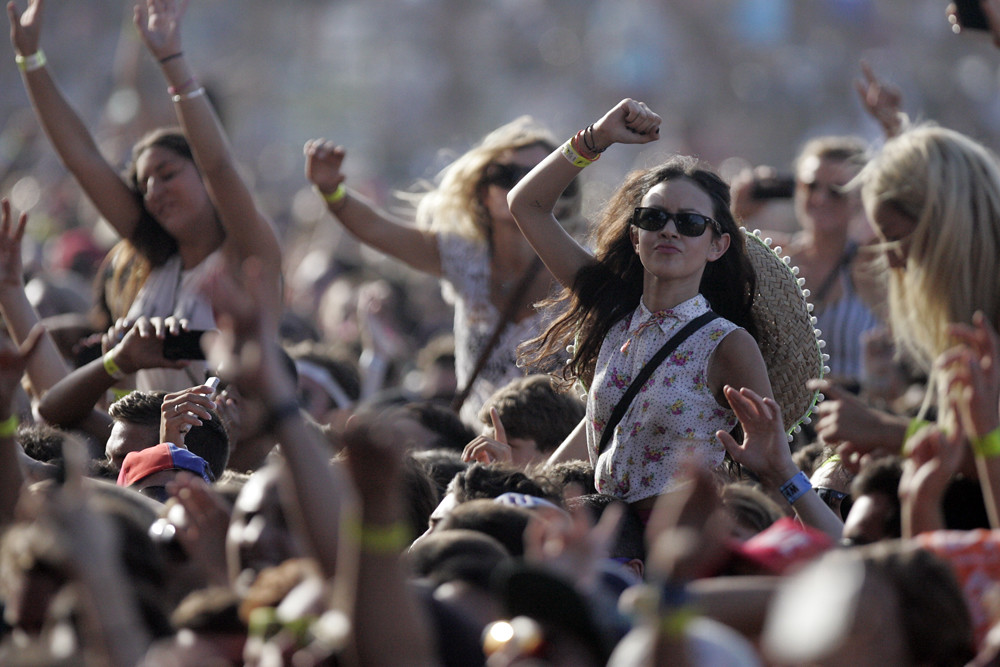
Live music events, whether intimate gatherings or large-scale festivals, continue to play a crucial role in uniting people of different ages. The shared experience of enjoying music together creates a sense of belonging and community.
The Rise of Multi-Generational Concerts
In 2026, concert organizers are recognizing the importance of catering to diverse audiences.
- Diverse Lineups: Many festivals now feature a mix of iconic legacy acts alongside emerging talent, inviting fans of all ages to enjoy the performances.
- Family-Friendly Events: Concerts designed with family in mind often include activities for children, making it easy for parents to introduce their children to music they love.
- Community Engagement: Events that actively promote cross-generational interaction help cultivate an appreciation for music across age groups.
Online Platforms and Intergenerational Collaboration
The digital landscape offers countless opportunities for collaboration and connection through music.
Social Media and Music Sharing
Platforms like TikTok and Instagram have transformed how music is discovered and shared.
- Challenges and Trends: Viral music challenges create opportunities for different generations to engage with and reinterpret classic songs.
- Remixes and Mashups: These artistic expressions allow young creators to honor past eras while adding their unique spin, leading to intergenerational dialogue about musical influences.
- Live Streams and Virtual Concerts: These events allow music lovers from various backgrounds to connect and share their enthusiasm, transcending geographic boundaries.
The Emotional Impact of Music
Music possesses a unique emotional resonance that can transcend generational divides. In 2026, the psychological benefits of music are more widely acknowledged, reinforcing its importance in fostering connections.
Therapeutic Effects of Music
Music therapy has gained traction as a means of promoting mental well-being across all ages.
- Intergenerational Programs: Initiatives that pair young people with seniors in music therapy settings can create meaningful connections, benefiting both groups.
- Emotional Resilience: Listening to and creating music provides an outlet for expression, comforting those navigating life transitions.
- Cultural Dialogues: Music therapy can spark conversations about cultural experiences, creating a platform for understanding and healing.
Conclusion: The Endless Melody of Connection
As we embrace advancements in music technology and explore new genres, the role of music as a connector across generations remains steadfast. In 2026, the symbiotic relationship between music and nostalgia enriches our lives, fostering understanding, appreciation, and love among diverse age groups. As we move forward, let us celebrate the melodies that continue to bridge our past and present.