The Transformation of Music Platforms
As we delve into 2026, the landscape of music platforms has undergone remarkable transformations, reflecting the rapidly changing demands of listeners and the innovative aspirations of artists. From streaming giants to niche platforms, the evolution of music distribution is not just a trend but a significant shift in how music is created, shared, and consumed.
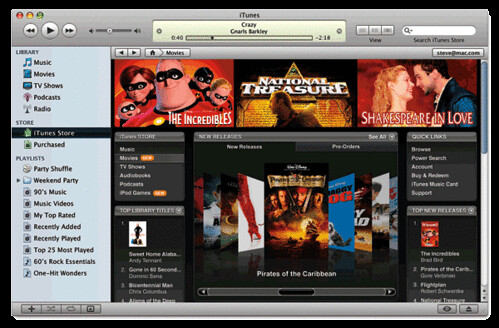
Streaming Services: The Dominant Force
Streaming services have solidified their position as the primary mode of music consumption globally. With over 80% of music listeners now using platforms like Spotify, Apple Music, and Tidal, the convenience and accessibility of streaming have revolutionized the way we engage with music.
- Personalization: Advanced algorithms create custom playlists and recommendations, enhancing user experience.
- High-Fidelity Audio: Streaming services are increasingly offering high-resolution audio options, catering to audiophiles.
- Exclusive Content: Artists are now partnering with platforms for exclusive releases, making streaming the go-to for latest hits.
Niche Platforms: Catering to Specific Audiences
In addition to mainstream giants, niche music platforms are flourishing, targeting specific genres or communities. This diversification allows artists to connect more intimately with their audience.
- Bandcamp: Known for supporting independent artists, Bandcamp enables musicians to sell their music directly to fans, fostering a sense of community.
- SoundCloud: A breeding ground for emerging artists, SoundCloud remains a vital platform for sharing new sounds and experimental genres.
- Vinyl and Merchandise Shops: Some platforms are enhancing the experience by combining physical sales with digital music, appealing to collectors.
The Rise of Virtual Reality and Augmented Reality Experiences
The integration of virtual reality (VR) and augmented reality (AR) in music consumption is a game changer. In 2026, these technologies are enhancing how fans experience live events and music.
- Virtual Concerts: Artists are hosting immersive concerts in virtual spaces, allowing fans from around the world to interact and enjoy performances as if they were there.
- Interactive Music Videos: AR technology enables viewers to engage with music videos in new ways, adding layers of interaction that traditional formats cannot provide.
- Enhanced Live Experiences: Festivals and gigs are incorporating AR elements, providing attendees with real-time information and enriched environments.
Blockchain Technology: Revolutionizing Music Rights and Royalties
As the music industry grapples with fair compensation, blockchain technology is emerging as a potential solution for ensuring transparency and equity in music rights and royalty payments.
- Smart Contracts: These digital contracts automatically execute agreements between artists and distributors, streamlining payments.
- Transparent Royalties: Blockchain provides a clear ledger for how royalties are distributed, ensuring that artists receive fair compensation for their work.
- Decentralized Platforms: New models are enabling artists to distribute their music directly, bypassing traditional gatekeepers.
The Importance of Artistic Freedom and Authenticity
With the rapid changes in the music industry, the conversation about artistic freedom has taken center stage. In 2026, more artists are advocating for the right to create authentically.
- Independent Releases: The rise of independent artists highlights the importance of creative control over music.
- Social Media Influence: Platforms like TikTok have democratized music promotion, allowing artists to gain recognition without a record label.
- Fan Engagement: Artists are building communities through direct interactions, sharing their creative processes, and receiving feedback directly from fans.
The Future of Music Platforms
Looking ahead, the future of music platforms seems poised for further innovation. Key trends to watch include:
- Increased Collaboration: Platforms may increasingly facilitate collaborations across genres and borders, enriching the music landscape.
- Environmental Sustainability: More artists are focusing on eco-friendly practices in music production and distribution.
- Global Accessibility: Efforts to make music accessible to all—including multilingual content and localized platforms—will likely expand.
In conclusion, the evolution of music platforms in 2026 reflects a balancing act between technological advancements and the intrinsic human need for connection and authenticity in music. As listeners, we find ourselves at the intersection of tradition and innovation, with the promise of a vibrant future filled with diverse musical experiences.