Understanding Music Collaboration in 2026
As we navigate the world of music in 2026, collaboration continues to be a major driving force behind the creation and consumption of art. With the rise of technology and the digital landscape, artists are finding new ways to create, connect, and share their music. In this blog post, we will explore the current trends in music collaboration, highlighting the innovative methods artists are employing to work together in this dynamic environment.
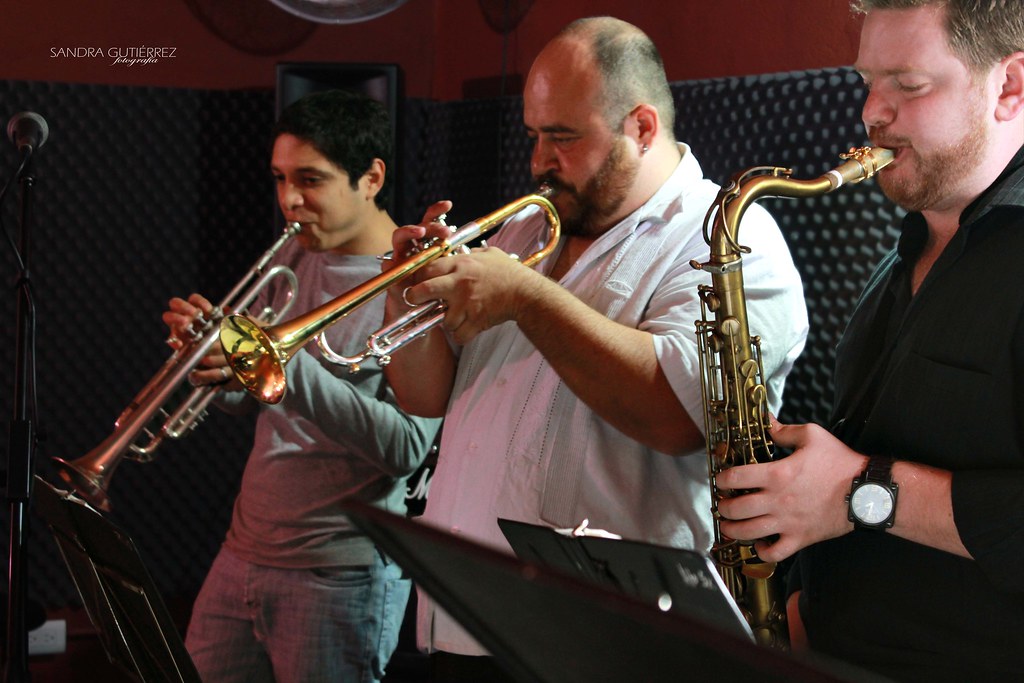
The Shift Towards Remote Collaboration
The pandemic accelerated a movement towards remote collaboration that has only grown since. Artists can now work together from anywhere in the world, thanks to digital tools like:
- Cloud-based DAWs (Digital Audio Workstations): Programs like Soundtrap and BandLab allow musicians to record, edit, and produce music in real time.
- Virtual jam sessions: Platforms such as Jamkazam and Jamulus enable artists to play together live over the internet, creating a more interactive experience.
- Video conferencing tools: Services like Zoom and Microsoft Teams have become essential for brainstorming sessions and songwriting meetings.
Benefits of Remote Collaboration
1. Diverse Influences: Artists can now collaborate with musicians from different backgrounds and genres, enriching their music with various influences.
2. Cost-effectiveness: Remote collaboration eliminates travel costs and allows artists to work with top talent without geographic limitations.
3. Increased Accessibility: Musicians can connect with industry professionals and peers they otherwise may not have been able to meet.
Integrating AI into Music Collaboration
AI technology is revolutionizing how artists collaborate, offering tools that enhance creativity and streamline the process. Here are some ways AI is influencing music collaboration:
- Songwriting assistance: Tools like OpenAI’s MuseNet and AIVA can help generate melodies, harmonies, and complete compositions, inspiring artists to new creative heights.
- Mixing and mastering: AI-driven services like LANDR help artists mix and master their recordings efficiently, allowing them to focus on the creative aspects of collaboration.
- Data-driven insights: AI analytics can help artists understand their audience better, enabling them to collaborate on projects that will resonate with fans.
Ethical Considerations
As AI becomes more integrated into music collaboration, ethical questions arise, such as:
- Ownership of AI-generated music: Who owns the rights to a song partially created by an AI?
- Authenticity: Does the use of AI compromise the authenticity of artistic expression?
- Fair compensation: How can we ensure artists are fairly compensated for their contributions when AI plays a role?
Collaborative Platforms: The Future is Social
In 2026, social media platforms are increasingly focusing on collaboration features, allowing artists to connect and create seamlessly. Examples include:
- Instagram and TikTok: These platforms have introduced music collaboration tools that enable artists to create duets or remixes directly within the app.
- Collab platforms: Websites like Kompoz and Splice facilitate collaborative projects, where musicians can contribute to ongoing compositions.
- Blockchain technology: Decentralized platforms are emerging that enable artists to collaborate on projects while ensuring transparency in rights management and royalties distribution.
The Growth of Co-Writing Sessions
Co-writing sessions are becoming more popular, with artists coming together to write songs. This trend offers numerous advantages:
- Creative synergy: Working with others can lead to new ideas and perspectives, improving the overall quality of the music.
- Networking opportunities: Collaborating with other artists fosters connections that can lead to future projects.
- Increased exposure: Artists can tap into each other’s fan bases, increasing visibility for all involved.
Conclusion: A Bright Future for Music Collaboration
As we look ahead to the rest of 2026 and beyond, music collaboration is set to evolve even further. The combination of remote technology, AI, and social media integration is forging a new path for artists to create together. This era of collaboration not only enhances creativity but also fosters a sense of community among musicians. The possibilities are endless, and we can’t wait to see what the future holds for music collaboration.