The Power of Music in Cultural Shifts
As we navigate through 2026, it becomes increasingly evident that music serves not only as entertainment but also as a powerful catalyst for social change. The melodies and lyrics echoing through our playlists reflect the sentiments of a generation striving for inclusivity, justice, and expression. In this article, we will explore how music is influencing cultural movements today, fostering community, and providing a voice to the marginalized.
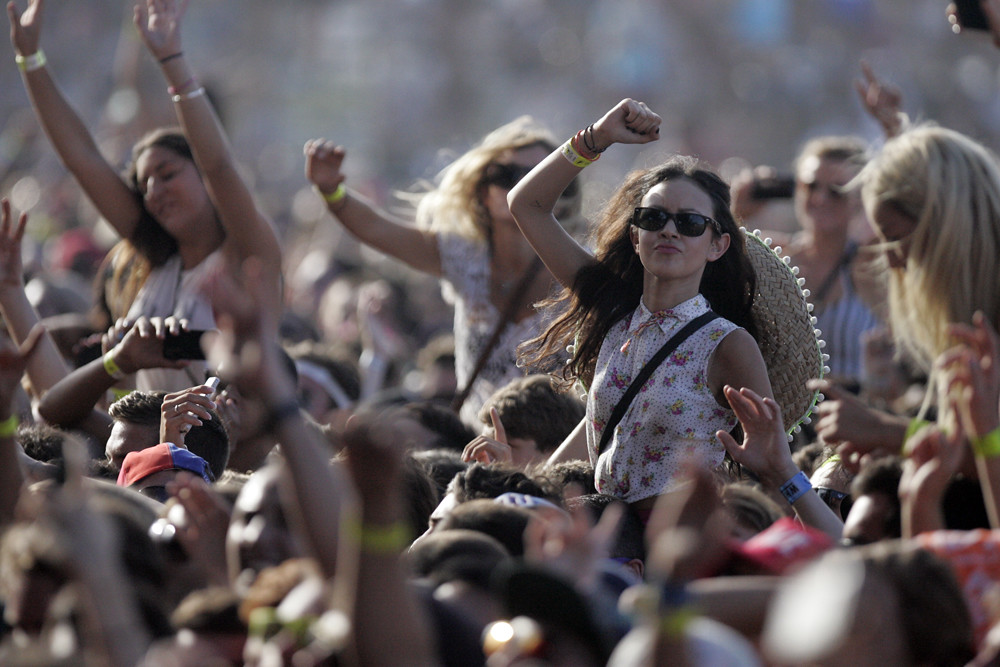
Music as a Form of Protest
Throughout history, music has been a significant tool for protest, and this trend continues unabated in 2026. Artists are using their platforms to address pressing social issues such as climate change, inequality, and human rights.
- Climate Activism: Many musicians are writing songs that raise awareness about environmental concerns, urging fans to take action. Artists like Billie Eilish and Hozier are at the forefront, using their influence to inspire youth activism.
- Social Justice: Genres such as hip-hop and punk have long been associated with protest. In 2026, we see a resurgence of politically charged lyrics that reflect the experiences of marginalized communities.
- Global Movements: Songs that express solidarity with various global movements emphasize the interconnectedness of struggles for freedom and equality. Artists collaborate across borders to produce music that resonates universally.
The Role of Technology in Amplifying Voices
In our digital age, technology plays a critical role in how music influences cultural movements. Social media platforms allow artists to share their messages far and wide, connecting them with audiences like never before.
- Viral Trends: Songs that address social issues can go viral, bringing attention to causes overnight. The accessibility of platforms like TikTok enables songs with powerful messages to reach millions.
- Streaming Services: With increased access to streaming platforms, independent artists can showcase their work without the constraints of traditional record labels. This democratization of music has led to a surge in diverse voices contributing to cultural dialogues.
Community Building through Music
Music has the unique ability to bring people together. In 2026, we see the rise of community-driven initiatives that use music as a means to foster unity and collaboration.
- Local Concerts and Festivals: Grassroots events are gaining popularity, allowing local artists to perform and connect with their communities. These events often focus on specific social causes, creating a sense of shared purpose.
- Collaborative Projects: Musicians from different backgrounds are coming together to create collaborative albums, highlighting the importance of diversity and inclusion in the music industry.
The Healing Power of Music in Cultural Movements
Beyond activism, music plays a vital role in healing and self-expression within communities experiencing trauma or hardship. The therapeutic benefits of music are increasingly recognized, particularly in culturally sensitive contexts.
- Support for Mental Health: Many artists are open about their mental health struggles, creating songs that resonate with fans facing similar challenges. This openness fosters dialogue and encourages listeners to seek help.
- Cultural Resilience: Music serves as a means for communities to preserve their cultural identity, especially among marginalized groups. It becomes a vehicle for storytelling, enabling individuals to express their experiences and foster resilience.
Conclusion: The Future of Music and Cultural Change
As we look ahead, the intersection of music and cultural movements will undoubtedly evolve. The power of music to inspire, unite, and provoke thought remains unwavering. In 2026, musicians continue to lead the charge, using their art to drive change and enrich lives. By embracing the transformative nature of music, we can all play a part in shaping a more inclusive and harmonious future.