Introduction
As we traverse through 2026, the world of music continues to evolve at a breathtaking pace, influenced by technology, culture, and changing consumer preferences. This article explores the latest trends that are shaping the music landscape today and what we can expect as we look toward the future.
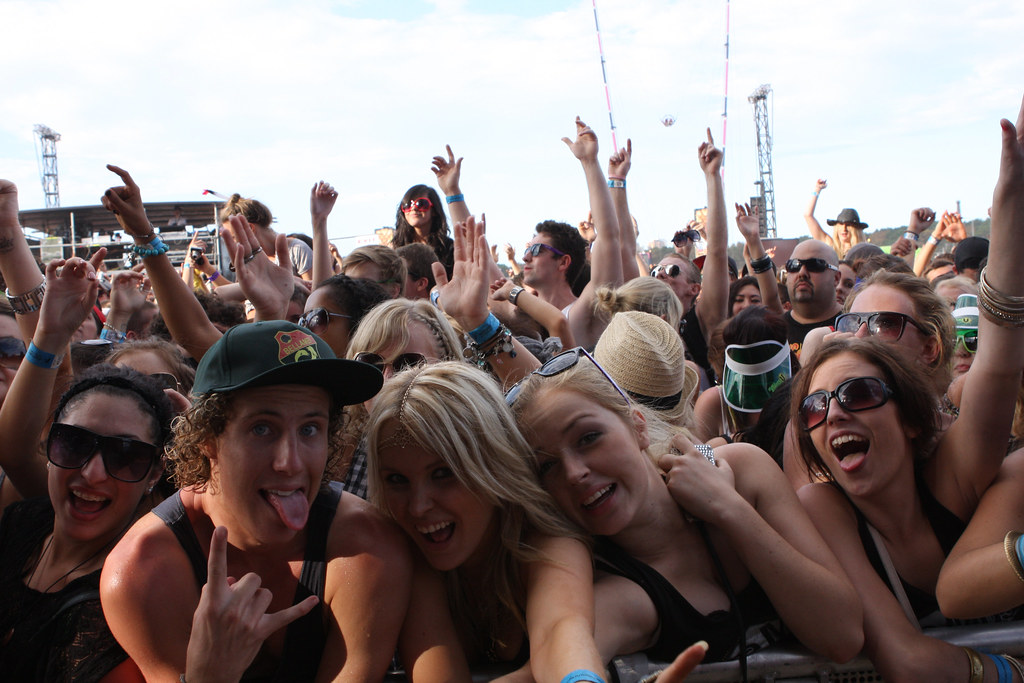
The Rise of Immersive Experiences
In 2026, the concept of immersive music experiences has taken center stage. Artists and producers are now focused on creating sounds that engage multiple senses, offering a more holistic approach to music consumption.
Virtual Reality and Augmented Reality Concerts
With VR and AR technology becoming more accessible, virtual concerts are thriving. Fans can enjoy live performances from their favorite artists in a 360-degree environment, feeling as if they are truly part of the action, regardless of their physical location. Here are some features of immersive experiences:
- Interactive elements: Fans can interact with the performance, choosing camera angles or even joining virtual meet-and-greets with artists.
- Enhanced audio quality: 3D audio technology makes the sound experience more realistic, simulating how sound would be heard in a live environment.
- Unique visuals: Artists are collaborating with visual artists to create stunning immersive worlds that enhance the music experience.
Multisensory Installations
Alongside virtual concerts, physical multisensory installations are gaining popularity. These events combine music with light shows, scents, and tactile experiences, providing audiences with a truly immersive event that goes beyond just listening.
The Role of Data in Music Creation
Data analytics are increasingly influencing what music gets produced and how it resonates with audiences. Artists are utilizing insights from streaming platforms to shape their creative decisions.
Audience Engagement Metrics
By analyzing data from social media platforms and streaming services, musicians can gauge audience preferences, identifying which songs are hits and which may need reworking. Here’s how this trend is manifesting:
- Tailored music releases: Artists are now releasing tracks based on what their audience wants to hear, rather than solely on artistic intuition.
- Feedback loops: Immediate fan reactions can be monitored in real-time, allowing artists to refine their performances or alter their promotional strategies.
- Collaborative playlists: Fans can participate in curating playlists, which can directly influence the direction of upcoming projects.
Increasing Collaborations Across Genres
The blending of genres has become the hallmark of contemporary music in 2026. Artists from diverse backgrounds are collaborating to create unique sounds that defy traditional categorizations.
Crossover Hits
Chart-topping songs often feature artists from different genres, leading to innovative fusions. For instance:
- Pop and Hip-Hop: Collaborations featuring rap verses over pop melodies are commonplace, creating catchy and engaging tracks.
- Folk and EDM: The marriage of acoustic instruments with electronic beats has created new subgenres, appealing to a wide audience.
International Collaborations
Technology allows artists from all over the globe to collaborate without being physically together, leading to a vibrant exchange of sounds and styles that enrich both the music and the cultures involved.
Personalized Music Experiences
With advancements in artificial intelligence and machine learning, personalized music experiences are becoming more pronounced. Algorithms now tailor playlists and recommendations based on individual listening habits.
Smart Music Assistants
Voice-activated smart devices are at the forefront of this trend:
- Curated playlists: Users can request personalized playlists for specific moods or activities, enhancing their music experience.
- Discovery: AI learns from user behavior, continuously offering new artists and genres that match their taste preferences.
Interactive Music Platforms
Platforms that allow users to engage with music in real-time, such as live karaoke sessions or collaborative jam sessions, are on the rise, creating community and engagement centered around music.
Environmental and Social Consciousness in Music
In 2026, artists are increasingly using their platforms to raise awareness about social and environmental issues. Music is not only a form of entertainment but also a powerful tool for advocacy.
Eco-Friendly Concerts
Environmental sustainability is a crucial consideration for many artists and organizers:
- Green venues: Many concerts are held at venues committed to sustainable practices, reducing waste and energy consumption.
- Carbon offsets: Artists are engaging in carbon offset initiatives to balance out the environmental impact of their tours.
Social Justice Themes
Lyrics and performances often address pressing social issues, using the medium of music to foster dialogue and promote change.
Conclusion
The music landscape in 2026 is characterized by continual evolution, driven by technology, data analytics, and a commitment to social responsibility. As artists and fans embrace new forms of engagement and collaboration, we can only imagine the innovative sounds and experiences yet to come. With each beat and note, the future of music holds limitless possibilities.