The Digital Transformation of Music Consumption
As we navigate through 2026, the way we consume music has evolved significantly. The rise of streaming services has created an environment where music is readily accessible, changing our listening habits and preferences. We now have the world of music at our fingertips, leading to a more diverse listening experience than ever before.
The Rise of Personalized Music Experiences
Today, algorithms play a crucial role in delivering personalized music experiences. Platforms like Spotify and Apple Music have honed their technology to curate playlists based on our individual tastes and listening history. This personalization not only helps discover new artists but also fosters a deeper connection between the listener and the music.
Impact of Podcasts and Audiobooks on Music Engagement
The growing popularity of podcasts and audiobooks has also influenced music consumption patterns. Many creators incorporate music into their episodes, often utilizing it as a storytelling tool. As podcasts gain traction, they invite listeners to explore the underlying soundtracks of their favorite shows, bridging the gap between spoken word and musical expression.
The Resurgence of Music Videos in 2026
In the digital landscape, music videos still hold a significant place. Thanks to platforms like YouTube, artists are able to create visual narratives that complement their music. This resurgence can be attributed to several factors:
- Visual Storytelling: Music videos allow artists to express their vision creatively, offering a visual representation of their sound.
- Social Media Sharing: Engaging music videos are highly shareable on platforms like TikTok and Instagram, prompting virality and increasing reach.
- Enhanced Fan Engagement: Fans often feel closer to artists when they can see the creativity behind their favorite tracks.
The Evolution of Music Videos
In 2026, music videos have shifted from simply being promotional tools to essential components of an artist’s narrative. This evolution is evident in how artists like Billie Eilish and Lil Nas X have used innovative visuals to push boundaries in storytelling and representation.
The Importance of Independent Artists in Today’s Music Scene
With the barriers to entry diminishing, more independent artists are emerging and making their mark. The digital age has democratized music creation, allowing anyone with a computer and an internet connection to share their work. These independent creators often capture niche audiences that mainstream artists might overlook.
Platforms Empowering Independent Musicians
Several platforms have been instrumental in supporting independent musicians:
- Bandcamp: A platform that allows artists to sell their music directly to fans, fostering a strong artist-fan connection.
- SoundCloud: Provides a space for emerging artists to share their music and engage with listeners, often leading to networking opportunities.
- Social Media: Artists use platforms like Instagram, TikTok, and Twitter to promote their music and build dedicated followings.
Challenges Faced by Independent Artists
Despite the opportunities, independent musicians still face challenges, including:
- Financial Constraints: Many independent artists struggle to fund their projects without the backing of a major label.
- Promotion and Visibility: Standing out in a saturated market requires strategic marketing and networking efforts.
- Distribution Issues: Navigating the complexities of digital music distribution can be daunting for many.
The Role of Live Performances in 2026
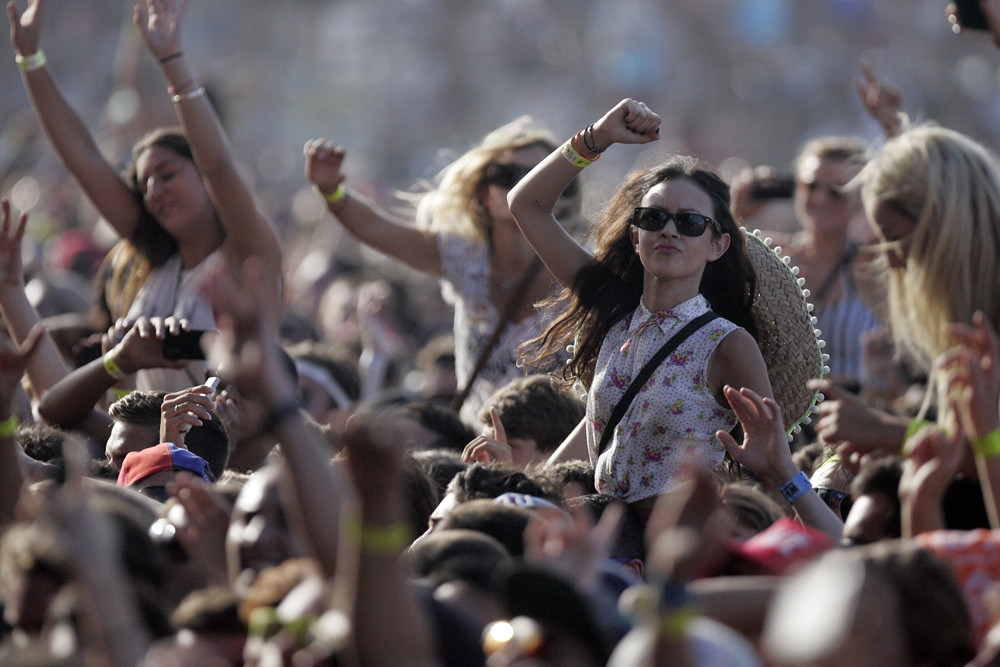
As the live music scene continues to recover and adapt post-pandemic, performances have become more than just concerts; they are experiences. Artists are now integrating technology into their live shows, creating immersive environments that engage audiences on multiple levels.
Innovative Approaches to Live Music
Today’s performances often include:
- Interactive Elements: Fans can participate through social media, influencing the setlist or even appearing on stage.
- Augmented Reality (AR): Some artists utilize AR technologies to enhance their stage presence, providing a multi-sensory experience.
- Hybrid Events: Combining in-person and virtual elements has allowed artists to reach broader audiences, especially during difficult times.
The Future of Music Genres
As we look forward, the blurring of genre lines is becoming increasingly apparent. In 2026, artists are experimenting with cross-genre collaborations, giving rise to innovative sounds that defy categorization. This evolution reflects our globalized world, where cultural influences are more accessible than ever.
The Cross-Genre Phenomenon
Collaborations that mix various genres are thriving:
- Hip-Hop and Classical: Artists like J. Cole have collaborated with orchestras, creating fresh and unique listening experiences.
- Pop and Electronic: The fusion of these genres continues to dominate charts, with artists like Dua Lipa leading the way.
- World Music Influences: Artists are increasingly incorporating traditional sounds from their cultures into mainstream music, further diversifying the listening landscape.
Conclusion: Celebrating the Diversity of Music in 2026
In 2026, the music industry is more vibrant and diverse than ever. From the rise of independent artists to the innovative nature of live performances, music continues to evolve in exciting ways. As listeners, we have the opportunity to explore new sounds, support emerging talent, and immerse ourselves in a world where music transcends barriers. Whether you are streaming your favorite tracks, watching a captivating music video, or attending a live show, remember that music is a universal language that unites us all.