Introduction
In today’s fast-paced music industry, the landscape has significantly evolved since the onset of the digital age. As we approach the end of 2026, one of the most prominent trends is the rise of DIY music production. Musicians from all walks of life are taking control of their creative processes, thanks to accessible technology and platforms.
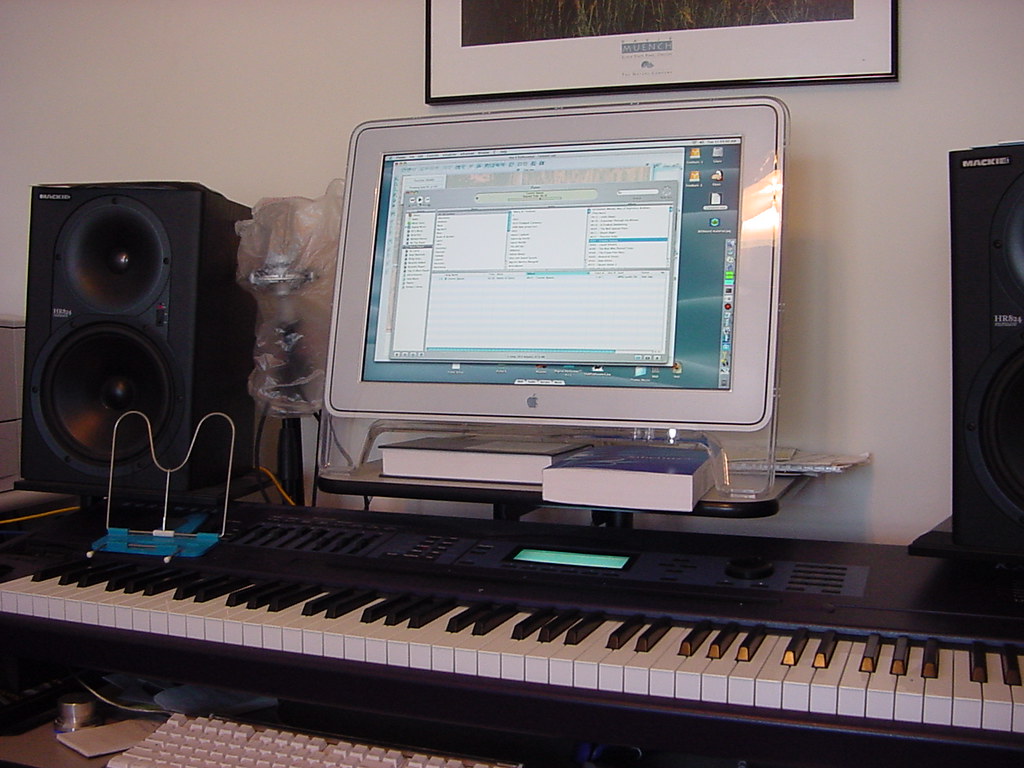
Embracing Accessibility in Music Production
The democratization of music production tools has made it possible for anyone with a passion for music to create high-quality tracks. Software such as Ableton Live, FL Studio, and GarageBand provide users with intuitive interfaces to compose, edit, and produce music without requiring extensive formal training.
The Role of Affordable Equipment
With advancements in technology, musicians can now access affordable equipment that was once out of reach. Here are some essential tools that have contributed to the DIY movement:
- Microphones: USB microphones and portable recorders enable artists to capture high-quality vocals and instruments.
- Audio Interfaces: These devices improve sound quality when recording and allow musicians to connect instruments and microphones to their computers.
- MIDI Controllers: Affordable MIDI keyboards and controllers facilitate music creation, providing artists with hands-on control over digital audio workstations (DAWs).
- Field Recorders: These devices allow musicians to capture natural sounds, adding unique textures to their compositions.
The Impact of Online Tutorials
The internet is filled with resources, from YouTube tutorials to online courses on music production. Aspiring artists can learn techniques and skills at their own pace, fostering a culture of self-taught musicians. Popular platforms that have emerged include:
- Coursera: Offers music production courses from renowned institutions.
- Skillshare: Features classes taught by industry professionals.
- YouTube: A plethora of channels dedicated to music production tips and tricks.
Building a Personal Brand
As musicians embrace DIY production, they are also learning the importance of branding and marketing. Artists are increasingly recognizing that cultivating a distinct identity can lead to increased visibility in a saturated market.
Social Media Platforms as Marketing Tools
Social media has become a powerful tool for musicians to promote their work. Platforms like Instagram, TikTok, and Twitter enable artists to share snippets of their music, engage with fans, and build a loyal following. Here are some strategies that artists are using:
- Consistent Posting: Regular updates keep fans engaged and informed about new releases and projects.
- Behind-the-Scenes Content: Sharing the creative process helps humanize artists and fosters a deeper connection with their audience.
- Collaborations: Partnering with other musicians or influencers expands reach and taps into new audiences.
Utilizing Streaming Services
In 2026, streaming services have become essential for music distribution. Artists are taking advantage of platforms like Spotify, Apple Music, and Bandcamp to reach global audiences. DIY musicians can:
- Release Singles and EPs: Instead of waiting to produce a full album, artists can release short projects more frequently.
- Engage with Listeners: Streaming platforms often provide insights into listener demographics, allowing artists to tailor their marketing strategies.
The Community Aspect of DIY Music Production
The rise of DIY music production has also fostered a sense of community among musicians. Platforms that allow for collaboration and support have gained popularity, empowering artists to learn from each other.
Online Forums and Networking Opportunities
Musicians can connect through various online forums, sharing their experiences and offering feedback on one another’s work. Some popular platforms include:
- Reddit: Subreddits like r/WeAreTheMusicMakers and r/BedroomBands provide a space for sharing advice and critiques.
- Discord: Music-focused servers enable real-time conversation and collaboration among artists.
Local Music Scenes and Showcases
Despite the digital shift, local music scenes remain alive and well. DIY musicians often perform at open mics, local venues, and showcases, helping to build relationships within their communities.
Looking Ahead: The Future of DIY Music Production
As we move forward into 2027 and beyond, the DIY music production movement shows no signs of slowing down. Current trends indicate that:
- Technological Innovations: Continued advancements in software and hardware will further lower barriers for aspiring musicians.
- Increased Collaboration: The global nature of the internet will enable even more cross-cultural collaborations, blending genres and influences.
- Focus on Sustainability: Artists are becoming more environmentally conscious, seeking sustainable materials for merchandise and adopting eco-friendly practices.
Conclusion
The rise of DIY music production in 2026 has empowered countless artists to take control of their creative journeys. With accessible tools, platforms for learning, and the ability to connect with audiences, musicians are redefining what it means to create and share their art. Embracing this do-it-yourself ethos not only enriches the music industry but also cultivates a vibrant community of passionate individuals dedicated to their craft.