Understanding Cultural Exchange in Music
As we navigate through 2026, one of the most significant trends in contemporary music is the influence of global cultures on mainstream sounds. Thanks to the rise of social media and streaming platforms, artists from diverse backgrounds are sharing their music on an unprecedented scale. This cultural exchange is not just enriching the music industry; it is also shaping how we perceive and connect with different cultures.
The Power of Collaboration
Artists today are increasingly collaborating across genres and geographical boundaries. These collaborations are a reflection of the modern world, where the lines between cultures are becoming blurred. Here are a few noteworthy examples:
- Latin and Pop Fusion: The integration of Latin rhythms into pop music has transformed the charts. Artists like Bad Bunny and Shakira have led this movement, blending traditional sounds with contemporary pop.
- Africa’s Influence: Afrobeat and other African genres are making significant inroads into global music. Artists like Burna Boy and Wizkid have introduced captivating sounds that resonate worldwide.
- Asian Sounds: The rise of K-pop has shown how Asian music can cross cultural boundaries, leading to collaborations with Western artists like BTS and Dua Lipa.
The Role of Technology in Cultural Exchange
Technology plays a crucial role in facilitating this cultural exchange. Streaming platforms provide access to a wide array of musical genres, allowing listeners to explore sounds from around the globe. Social media platforms like TikTok and Instagram also enable artists to share snippets of their work, often leading to viral trends that spotlight lesser-known genres.
Celebrating Diversity through Music Festivals
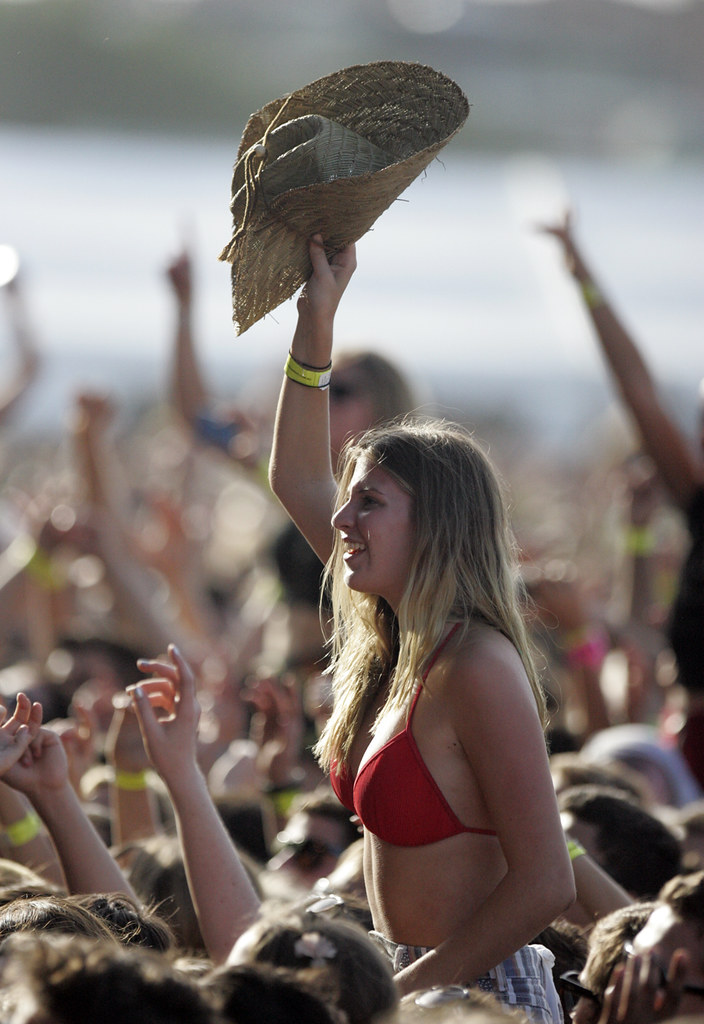
Music festivals have become melting pots of cultures, showcasing diverse musical acts from around the world. Events like Coachella and Glastonbury have increasingly featured international artists, promoting cultural diversity and appreciation. In 2026, festivals are not just about music; they are platforms for cultural celebration and exchange.
- Global Village: Many festivals now have dedicated stages for world music, highlighting artists from various cultures.
- Cultural Workshops: Some events offer workshops that educate attendees about different musical traditions, fostering a deeper understanding.
The Impact on Music Creation
As artists draw inspiration from different cultures, we see an evolution in music creation. Traditional instruments from various cultures are being incorporated into modern music, leading to innovative sounds that appeal to a broad audience. This fusion not only creates unique listening experiences but also honors the origins of those sounds.
Challenges in Cultural Appropriation
While the blending of cultures in music can result in beautiful creations, it also raises questions about cultural appropriation. Artists must navigate the fine line between appreciation and appropriation. In 2026, there is a growing awareness of this issue, prompting discussions about ethical collaboration and crediting cultural origins.
Looking Ahead: The Future of Music and Cultural Fusion
As we move forward, the trend of cultural fusion in music is likely to continue evolving. With the world becoming increasingly interconnected, we can expect to see more innovative blends of sounds and styles. Music in 2027 and beyond will likely reflect the rich tapestry of global influences, leading to a more inclusive music scene that celebrates diversity.
Conclusion
In conclusion, the influence of global cultures on music in 2026 is a testament to the evolving landscape of the industry. As artists and listeners embrace diversity, we can expect an exciting future filled with creative collaborations that not only entertain but also educate and unite us.