The Power of Music in Community Building
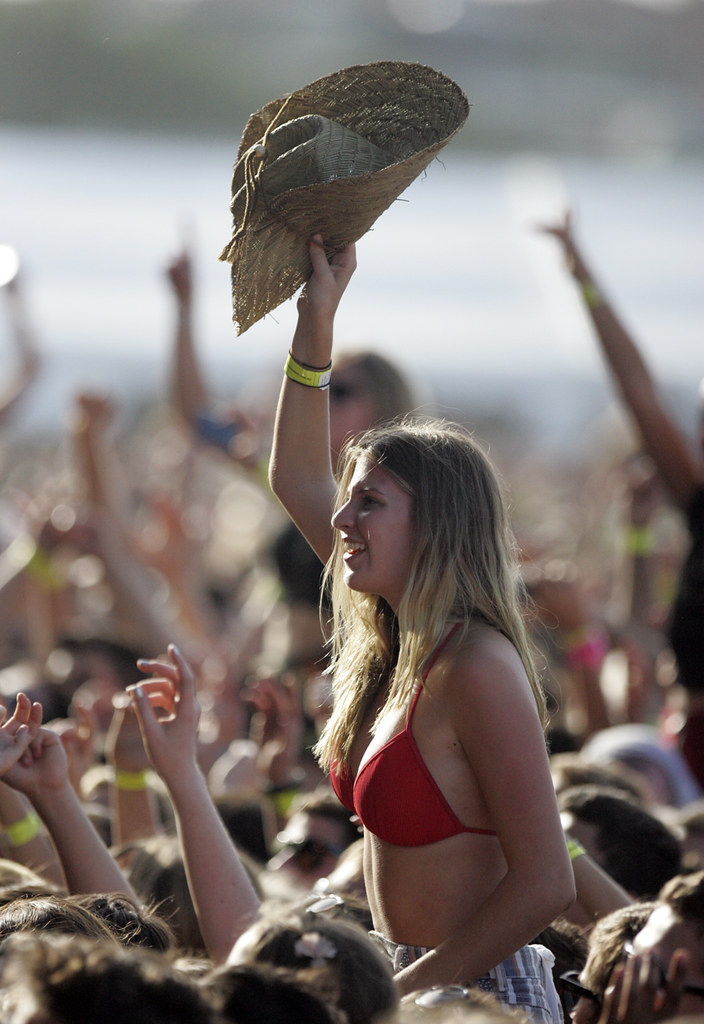
In 2026, music transcends mere entertainment; it stands as a powerful medium that fosters community engagement and connection. From intimate gatherings to large-scale festivals, the role of music within communities has evolved into a vital force for unity and social interaction. As people seek to reconnect after years of fragmentation due to various global events, music emerges as a universal language that brings diverse groups together.
Local Artists at the Forefront
Local artists have become the heartbeat of community music scenes. In 2026, many neighborhoods are witnessing a resurgence of grassroots movements where aspiring musicians take the stage. This trend emphasizes local talent over mainstream influences, allowing communities to rediscover and celebrate their unique soundscapes.
- Support for Local Talent: Venues are opening their doors to local musicians, encouraging original compositions rather than cover bands. This has led to a thriving environment where local artists can flourish.
- Community Engagement: Events organized around local artists foster community spirit, as residents come together to support their neighbors and experience shared cultural moments.
Creating Spaces for Connection
Public spaces have also adapted to accommodate musical expression. Parks, community centers, and even vacant lots are transformed into performance venues, providing a platform for musicians to share their art. In 2026, cities worldwide are implementing more inclusive policies to encourage artistic expression in public domains.
- Pop-Up Concerts: Spontaneous music events in unexpected locations bring people together in joyous celebration, offering a break from the daily grind.
- Community Workshops: Many local musicians now run workshops aimed at teaching music appreciation, songwriting, and instrument skills, helping to nurture the next generation of artists.
Music as a Catalyst for Social Change
Beyond entertainment, music has emerged as a catalyst for social change. Many artists are using their platforms to raise awareness on issues such as climate change, mental health, and social justice. Their messages resonate with listeners, encouraging them to take an active role in their communities. Also read: wak89 for more insights.
- Awareness Campaigns: Concerts that double as fundraisers for social causes have become a hit, allowing communities to unite for a common purpose through music.
- Collaborative Projects: Artists from diverse backgrounds are coming together to create music that reflects a collective vision for change, fostering solidarity among different groups.
The Impact of Digital Platforms
In this digital age, the way we engage with music has transformed dramatically. With the rise of social media platforms, artists now reach global audiences while still grounding their work in local culture. In 2026, music is not just consumed; it’s experienced.
- Virtual Communities: Online music communities thrive, allowing fans to connect with each other and with artists, fostering a sense of belonging regardless of geographical barriers.
- Livestream Events: Streaming platforms have made it possible for local artists to perform live to audiences worldwide, expanding their reach and influence while still celebrating their roots.
Fostering Inclusivity through Music
Inclusivity is a significant theme in the music scene today. In 2026, there is a conscious push for representation across genres, ensuring that voices from all backgrounds are heard and celebrated. Music festivals and community events are becoming more diverse, showcasing a spectrum of cultural influences.
- Diverse Lineups: Music festivals are prioritizing varied lineups that celebrate multiple genres and cultural backgrounds, ensuring everyone has a place in the musical landscape.
- Accessible Venues: Efforts are being made to make venues more accessible to all individuals, including those with disabilities, ensuring that everyone can enjoy the music experience.
The Future of Music and Community Engagement
The interplay between music and community engagement will only deepen as we move forward. In 2026, communities are embracing the role of music not just as a form of entertainment but as a vital component of social cohesion and resilience.
As we look ahead, there is hope that music will continue to serve as a bridge between cultures, helping to heal wounds and foster understanding. The evolution of community engagement through music is a testament to the enduring power of this art form, reminding us all that when people gather to celebrate life through sound, wonderful things can happen.