Introduction
As we delve deeper into 2026, the landscape of music collaborations continues to evolve in remarkable ways. From genre-blending partnerships to unexpected collaborations between artists of diverse backgrounds, the music scene today is a vibrant tapestry of creativity and innovation. This article will explore the dynamics of music collaborations in 2026 and their impact on the industry and audiences alike.
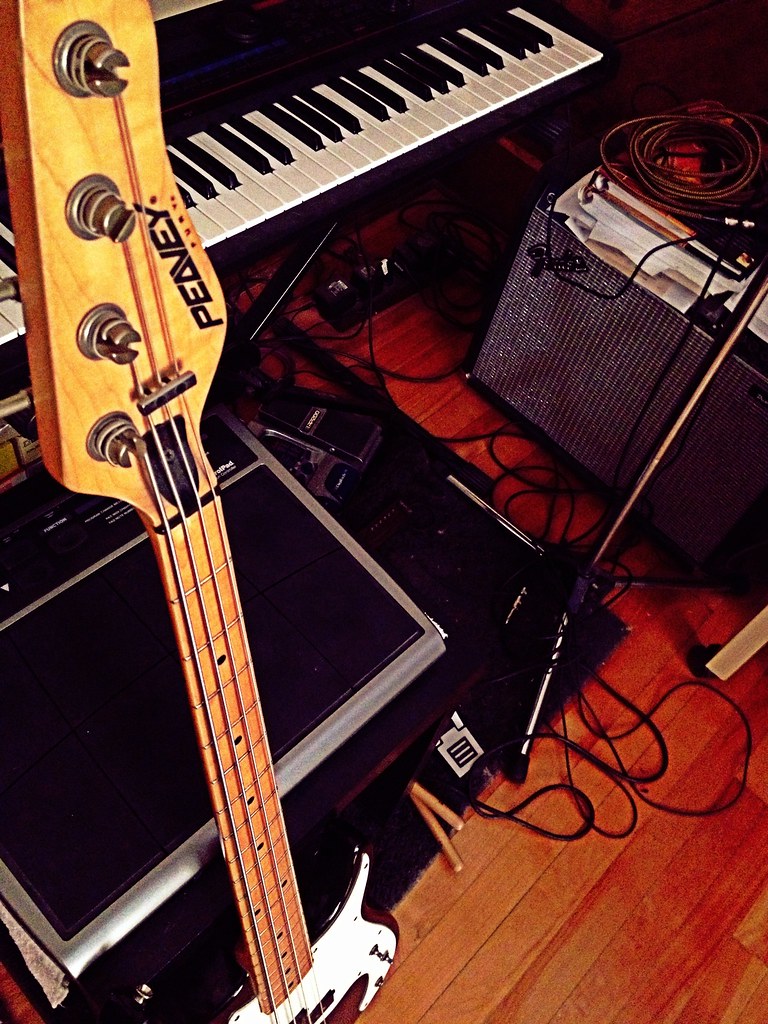
The Rise of Genre-Defying Collaborations
One of the most notable trends in 2026 is the rise of genre-defying collaborations. Artists are increasingly stepping outside their traditional musical boundaries, creating unique sounds that resonate with a broader audience. This shift is not just a creative endeavor but also a strategic move in an industry that thrives on novelty.
Notable Genre-Defying Duos
Several collaborations in 2026 exemplify this trend:
- Hip-Hop Meets Classical: Artists like rapper J. Cole and renowned conductor Gustavo Dudamel have created powerful pieces that fuse contemporary hip-hop with classical orchestration, drawing in diverse listener demographics.
- EDM and Folk Fusion: The collaboration between DJ Calvin Harris and folk artist Brandi Carlile has produced tracks that blend electronic beats with acoustic storytelling, showcasing how different fan bases can unite.
- Pop and World Music Crossover: Dua Lipa’s work with African musicians has introduced a global sound that celebrates cultural diversity, leaving a lasting mark on pop music.
Technology’s Role in Collaborative Music Creation
Advancements in technology have also played a significant role in facilitating collaborations. In 2026, digital tools enable artists to create music together from different corners of the globe. This accessibility democratizes music production and allows for spontaneous collaborations that were previously difficult, if not impossible.
Innovative Tools and Platforms
Some key tools and platforms that have emerged include:
- Remote Collaboration Software: Platforms like Splice and Soundtrap allow artists to share and edit tracks in real-time, breaking down geographical barriers.
- Virtual Reality Jam Sessions: With the advent of VR technology, artists can engage in virtual jam sessions, experiencing a sense of togetherness that enhances creativity.
- AI-Powered Music Collaboration: AI algorithms can suggest chord progressions or melodies, enabling artists to build on each other’s ideas seamlessly.
The Impact on Audience Engagement
As popular music becomes increasingly collaborative, audience engagement evolves as well. Fans are now more involved in the creative process than ever before, thanks to social media and live streaming platforms.
Building Community Through Music
Engagement strategies that artists use include:
- Interactive Live Streams: Artists host live streams where fans can suggest lyrics or themes, creating a sense of community and collective ownership of the music.
- Behind-the-Scenes Content: Fans can access exclusive behind-the-scenes footage of collaborations, making them feel part of the process and deepening their connection to the music.
- Fan Contributions: Some artists invite fans to contribute vocals or instruments to tracks, which fosters a collaborative spirit beyond the traditional artist-fan dynamic.
The Commercial Side of Collaborations
While artistic creativity is at the forefront, the commercial implications of collaborations cannot be overlooked. Many artists now view collaborations as a strategic marketing tool to broaden their reach and tap into new fan bases.
Successful Marketing Strategies
Here are ways artists leverage collaborations commercially:
- Cross-Promotion: Artists promote each other’s work to their respective audiences, effectively doubling the potential listener base.
- Shared Merchandise: Collaborating artists often release limited-edition merchandise, creating buzz and driving sales.
- Event Collaborations: Joint concerts or tours can attract larger audiences, maximizing revenue and sharing production costs.
The Future of Music Collaborations
As we look ahead, the trajectory for music collaborations appears promising. With a burgeoning emphasis on inclusivity and innovation, the potential for exciting new sounds and artistic synergies is limitless.
Emerging Trends to Watch
Some emerging trends include:
- Increased Collaboration Across Cultures: As artists become more globally connected, collaborations that celebrate cultural diversity will likely continue to rise.
- Focus on Sustainability: Collaborative projects emphasizing environmental awareness are becoming more prevalent, using their influence for social good.
- Community-Centric Projects: Expect to see more collaborations that invite local musicians and communities to participate, enriching the music with diverse voices.
Conclusion
The dynamics of music collaborations in 2026 are a testament to the power of creativity and connection in the music industry. As artists continue to break down barriers and explore new territories together, the resulting synergy enriches the musical landscape, offering fans fresh experiences and sounds to savor.