Introduction
As we navigate through 2026, the world of music continues to evolve in ways that resonate deeply with younger audiences. From genre fusion to the rise of social media-driven trends, the soundscape is forever changing. This article delves into the current music trends influencing youth culture today and the implications they have for both artists and listeners.
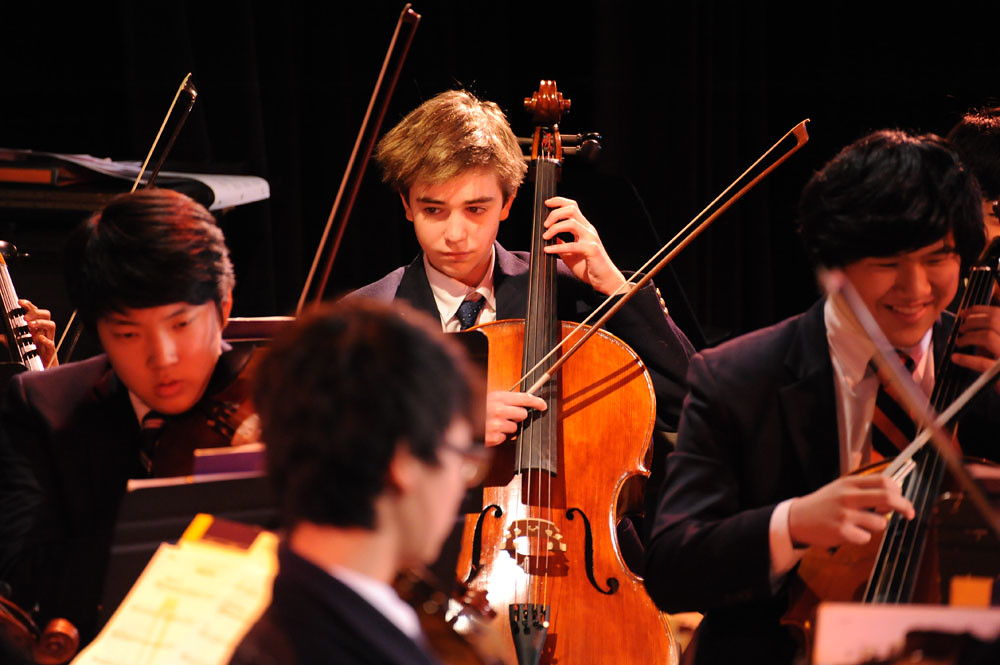
Genre Fusion: The New Frontier
One of the most significant trends shaping music in 2026 is the rise of genre fusion. Artists are now blending diverse musical styles, creating unique sounds that defy traditional classifications. This cross-pollination of genres not only showcases artistic creativity but also reflects the diverse backgrounds of listeners.
Examples of Genre Fusion
- Hip-Hop Meets Classical: More rappers are collaborating with classical musicians, resulting in powerful symphonic compositions.
- Reggaeton and Rock: The rhythmic beats of reggaeton are merging with rock elements, creating energetic tracks that appeal to a wide audience.
- EDM and Jazz: Electronic dance music is incorporating improvisational jazz components, attracting fans of both genres.
This genre fusion mirrors the multicultural fabric of society and allows listeners to explore new auditory landscapes. It also provides a platform for upcoming artists to reach wider audiences without being confined to a particular genre.
Social Media as a Launchpad
Social media platforms continue to influence how music is discovered, shared, and consumed. In 2026, services like TikTok and Instagram serve as launchpads for emerging trends, allowing songs to go viral overnight.
The Role of TikTok
TikTok has transformed from a mere social platform to a significant player in the music industry. Short clips featuring catchy tunes can lead to massive streams on mainstream platforms. Many songs topping charts today have started as viral challenges or trends on TikTok.
- Dance Challenges: These have not only popularized songs but also sparked a new form of artistic expression.
- DIY Music Videos: Aspiring artists are showcasing their talents through creative snippets, often leading to record deals.
As a result, the music industry must adapt to this new form of promotion, where success can be instant yet fleeting.
The Importance of Authenticity
In an age dominated by social media, authenticity has become a crucial factor for artists seeking to connect with their audience. The youth of 2026 values transparency and relatability, prompting musicians to share their personal stories and challenges. Also read: gan89 for more insights.
Building Connections Through Authenticity
- Vulnerability in Lyrics: Many artists are embracing vulnerability in their songwriting, allowing listeners to relate to their experiences.
- Behind-the-Scenes Content: Sharing the creative process and personal struggles fosters a deeper connection with fans.
This emphasis on authenticity not only shapes the music itself but also influences how artists market their brands and engage with their communities.
Live Music in the Digital Age
Despite the digital shift in music consumption, live performances remain an essential aspect of the music experience. Artists in 2026 are finding innovative ways to connect with audiences through both in-person and virtual concerts.
The Hybrid Concert Experience
- Hybrid Events: Many artists are hosting concerts that blend live audiences with digital viewers, allowing fans from around the world to participate.
- Augmented Reality (AR) Enhancements: AR technology is being utilized to create immersive concert experiences, enhancing the visual and auditory aspects of live performances.
This hybrid model not only caters to different audience preferences but also expands the reach of live music beyond geographic limitations.
The Rise of Environmental Consciousness
Another noteworthy trend gaining traction in 2026 is the increasing environmental consciousness within the music industry. Young musicians are leveraging their platforms to advocate for sustainability and social justice.
Eco-Friendly Practices in Music Events
- Sustainable Festivals: Many music festivals now prioritize eco-friendly practices, including waste reduction and renewable energy sources.
- Collaborations with Environmental Organizations: Artists are partnering with NGOs to raise awareness about climate change and other critical issues.
The music community’s commitment to environmental responsibility reflects the values of its young audience, who are increasingly concerned about the planet’s future.
Conclusion
As we explore the music landscape of 2026, it becomes evident that the trends stemming from genre fusion, social media influence, authenticity, hybrid live experiences, and environmental consciousness are reshaping not only the music industry but also the culture surrounding it. By adapting to these changes, artists can effectively reach and resonate with the youth, fostering a vibrant and inclusive musical future.