Introduction
As we journey into 2026, the world of music continues to reflect the rich tapestry of human experience. Music has always been a powerful medium for expression, culture, and community. Today, we explore how the blending of diverse musical styles and influences is forging a new soundscape that resonates across generations and geographies.
The Melting Pot of Global Music
Globalization has led to unprecedented cross-cultural exchanges, allowing artists to seamlessly integrate various musical traditions into their work. The result is an eclectic fusion that not only broadens artistic horizons but also creates a sense of unity among listeners.
Key Influences
- Traditional Sounds: Many contemporary artists are drawing from their roots, incorporating traditional instruments and rhythms into modern compositions.
- Pop and Hip-Hop Mashups: Genres like pop and hip-hop continue to dominate, but their marriage with world music elements is giving rise to fresh sub-genres.
- Electronic Influences: The rise of electronic music has opened doors for global sounds to blend with digital beats, creating innovative auditory experiences.
Collaborative Projects: Bridging Cultures
In 2026, collaborative projects are becoming a significant trend. Artists from various backgrounds are teaming up to create music that transcends borders.
Spotlight on Notable Collaborations
- Bomba Estéreo & Major Lazer: This collaboration exemplifies how the fusion of Colombian cumbia and electronic dance music can create an irresistible rhythm.
- Black Pumas and Afrobeat Artists: Mixing soul with Afrobeat rhythms has produced tracks that not only entertain but also tell powerful stories of heritage.
- Indie Artists Going Global: Lesser-known artists using social media platforms are collaborating with international musicians, blending indie sounds with global influences.
The Role of Technology in Music Fusions
Technology has played a transformative role in how music is produced and consumed. In this era, software and apps have made it easier for artists to experiment with different sounds and styles.
Innovative Tools
- Music Production Software: Tools like Ableton Live and FL Studio allow unprecedented access to sound manipulation, enabling artists to blend diverse genres effortlessly.
- AI in Collaboration: AI-driven platforms are facilitating global collaborations by connecting artists with compatible styles and influences.
- Social Media Platforms: TikTok and Instagram have become vital for musicians to showcase their blended tracks and reach a wider audience.
The Impact on Listener Engagement
The fusion of diverse sounds has also transformed listener experiences. Audiences today are more adventurous, eager to explore the myriad of musical styles available.
Changing Listener Preferences
- Increased Demand for Diversity: Fans are seeking music that reflects their multicultural identities, leading to a surge in appreciation for blended genres.
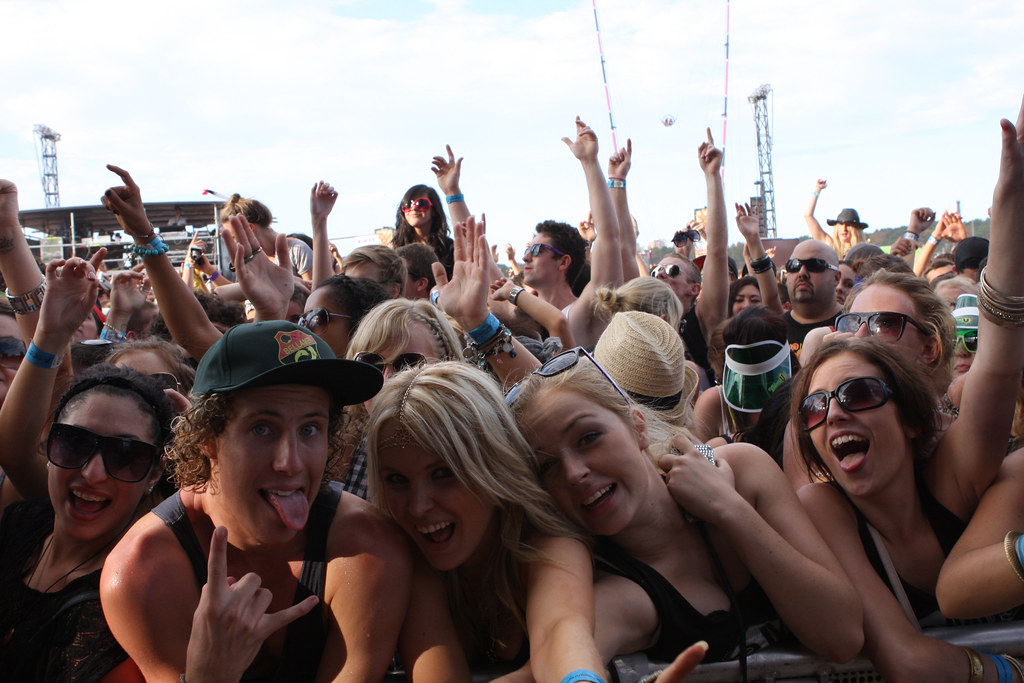
- Interactive Experiences: Concerts and festivals are incorporating various musical influences, encouraging audience participation through dance and cultural expression.
- Streaming Algorithms: Platforms are adapting their algorithms to promote diverse music, making it easier for users to discover global hits.
Challenges and Opportunities Ahead
While the blending of musical genres presents exciting opportunities, it also comes with challenges. Issues of cultural appropriation and the dilution of traditional music remain pertinent.
Addressing Concerns
- Respect for Cultural Roots: Artists must strive to honor the origins of the sounds they blend, ensuring authentic representation.
- Creating Safe Spaces: Music communities should foster environments where diverse artists can collaborate and share their stories without exploitation.
- Educational Initiatives: Increasing awareness about different musical traditions can help consumers appreciate the depth behind blended sounds.
The Future of Music Blends
As we look forward, the evolution of music blends is set to continue. The interconnectivity of artists and listeners worldwide will pave the way for a more inclusive music landscape.
Embracing Change
- Continued Innovation: The curiosity of artists to experiment with new sounds will foster continuous innovation in music.
- Greater Global Reach: With the rise of virtual concerts, music blends can reach audiences worldwide, breaking previous geographic boundaries.
- Refining the Art of Fusion: Artists will hone their skills in blending genres, leading to even more nuanced and engaging musical experiences.
Conclusion
In 2026, the fusion of diverse musical styles is not just a trend; it’s a representation of the global landscape we live in. As artists continue to explore and blend their influences, listeners are invited to join in this transformative journey. The music of today is a harmony of voices, cultures, and rhythms, celebrating the beauty of diversity in a world that thrives on connection.